

UAE's new higher education licensing framework explained – What changes for universities?
New rules aim to improve quality, transparency and student protection
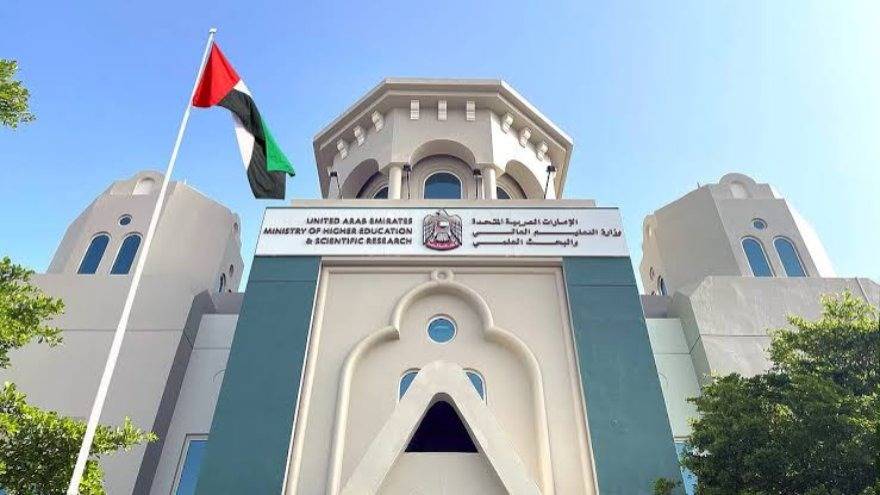
DUBAI – The United Arab Emirates (UAE) has introduced a major reform to the way higher education institutions are licensed and regulated across the country.
His Highness Sheikh Mohammed bin Rashid Al Maktoum, Vice President, Prime Minister and Ruler of Dubai, has approved a special resolution establishing the National Framework for Licensing Higher Education Institutions. The move forms part of the implementation of the Federal Decree-Law on Higher Education and Scientific Research and is designed to create a single national reference for licensing universities and colleges.
The framework applies to higher education institutions across the UAE, including those operating in free zones. While it sets unified national standards, it also respects the responsibilities of relevant local authorities overseeing institutions in their respective jurisdictions.
Unified system
The newly approved framework is intended to simplify licensing while strengthening governance and regulatory oversight. It seeks to remove procedural duplication by creating a more integrated system involving the Ministry of Higher Education and Scientific Research (MoHESR), local authorities and higher education institutions.
His Highness Sheikh Mohammed bin Rashid Al Maktoum, Vice President and Prime Minister of the UAE and Ruler of Dubai (may God protect him), approved a resolution on the National Framework for Licensing Higher Education Institutions, pic.twitter.com/bYJfvuhAdP
— وزارة التعليم العالي والبحث العلمي (@mohesruae) July 16, 2026
Among its key objectives are improving the student experience, increasing the quality and efficiency of educational outcomes, encouraging partnerships between universities and economic sectors, and enhancing the UAE's competitiveness as a global destination for higher education.
Dr Abdulrahman Al Awar, Minister of Human Resources and Emiratisation and Acting Minister of Higher Education and Scientific Research, said the framework demonstrates the UAE's commitment to an integrated licensing system. He said it would provide greater clarity and consistency in licensing and oversight while reducing unnecessary administrative procedures and making services easier to access.
Digital oversight
A central feature of the framework is a data-driven monitoring system built on electronic integration between higher education institutions and national records. The system will work alongside local authorities, particularly for institutions operating in free zones, ensuring that regulators have access to accurate and up-to-date information.
The digital approach is expected to support evidence-based regulatory decisions and reinforce alignment with the National Higher Education Institutions Classification Framework, as well as existing quality assurance, performance assessment and oversight mechanisms.
The framework also introduces regulatory provisions covering every stage of institutional licensing. These include requirements for establishing new institutions, risk assessment procedures, compliance mechanisms, sustainability standards, licence renewal processes for existing institutions and safeguards to ensure continuity of education.
Governance rules
The framework sets out clear requirements governing institutional ownership structures, governance bodies and executive and academic leadership roles. It establishes a distinct separation between ownership, executive management and academic decision-making, with the aim of strengthening accountability, transparency and balanced governance across higher education institutions.
Financial and operational sustainability also forms a core part of the framework. Institutions will be required to meet standards relating to financial guarantees, audited financial statements, student protection measures and academic continuity plans covering a range of operational and organisational scenarios.
According to the Ministry of Higher Education and Scientific Research, the framework strengthens the readiness of higher education institutions to respond to future challenges in partnership with local authorities. It also supports the national objective of developing a highly skilled workforce while reinforcing the UAE's position as an international hub for higher education and scientific research.